Apptware lab
Prototype Development Services
Apptware USA turns a product idea into a clickable, testable model, from wireframes through fully interactive click-throughs, so you validate direction with real users before committing a development budget to it. Whether it's a web platform or a mobile-first app, most engagements move from kickoff to a tested prototype in one to three weeks.
PROVEN IMPACT
What clients see once we ship.
75%
Higher product success rate
40%
Development cost avoided
3x
Increase in efficiency
Trusted by enterprises
Validating what's next.










What We Build
Prototype development services, matched to what you're testing
Whether you're testing a new SaaS feature or a mobile-first app concept, fidelity is matched to the question being tested, not a fixed template.
Low-Fidelity Wireframing
Fast, throwaway sketches of the interface and flow, built to pressure-test an idea's logic before any visual design work begins.
Interactive Clickable Prototypes
High-fidelity, click-through prototypes for web and mobile apps, built in tools like Figma or Framer so they look and behave like the real product and are ready to put in front of real users.
Usability Testing & User Feedback
Structured testing sessions with real target users, run against the prototype, so decisions about scope and flow are based on observed behavior, not internal opinion.
Technical Feasibility Validation
Working with engineering early to flag what the architecture can and can't support, before a design decision gets locked in that development can't realistically build.
Investor & Stakeholder Demo Builds
Prototypes built specifically to pitch polished enough to demonstrate the product vision to investors or internal stakeholders without committing to a full build.
Design System & Handoff Documentation
Every prototype ships with the component library and interaction specs a development team needs to pick up the build without re-deriving decisions already made.
HOW WE WORK
Our prototype development process
Here's how a rough idea turns into something real users can click through, stage by stage, in about three weeks.
Discovery & Requirements Scoping
A prototype without a defined question to answer just becomes an expensive sketch. We name the target user, the core flow being tested, and what counts as a pass or a fail, before opening a design tool. Constraints that would block the build later - data availability, integration limits, platform requirements - get flagged now, not discovered mid-build.
DELIVERABLES
- Defined target user and success criteria
- Core flow and screens scoped for the prototype
- Technical constraints flagged with engineering
- Fidelity plan for the prototype build
- Assumptions list to validate during testing
- Kickoff brief shared with stakeholders
Our Methodology
Why prototyping is non-negotiable before you build
A product idea is only as good as the assumptions it survives before anyone starts writing production code. Every Apptware prototype runs through a validation layer, not as a formality but as the thing that decides what actually gets built next.

Fidelity Matched to the Question, Not the Budget
We pick wireframe, clickable, or fully interactive fidelity based on what decision the prototype needs to settle, not a fixed template applied regardless of what's being tested.

Tested on Real Users, Not the Internal Team
Usability sessions run against the version that the target audience, because a prototype only reviewed internally validates opinion, not demand.

Feasibility Checked Before Design Gets Locked
Engineering reviews the prototype's technical assumptions during the build, not after design sign-off, so nothing gets approved that development can't actually deliver.

Findings Change the Prototype, Not Just a Report
Every round of testing feeds back into the next iteration of the prototype itself, not a slide deck summarizing what was learned.
Prototyping Practice
Prototyping, run with production discipline
A prototype that gets thrown away without a trace teaches the next attempt nothing.
We treat prototyping as a documented, versioned discipline, not a disposable sketch. Every round gets saved with a note on what it was testing and what happened when real users hit it, so a decision made in week one doesn't have to be re-argued from scratch in week five.
You own every file, every version, every decision record. Nothing here requires you to stay locked into our team past handoff.

Version-Controlled Iterations
Every round of a prototype is saved and labeled, so a rejected direction from week one can be revisited if user feedback in week three points back to it.

Real Data, Sandboxed
Where a prototype needs to feel real, we use representative or anonymized data in an isolated test environment, never live production data or credentials.

Component-Based Design Systems
Prototypes are built from a reusable component library from the first wireframe, so what a development team inherits at handoff isn't one-off screens.

Accessibility Checked Early
Contrast, tap targets, and screen-reader flow get reviewed at the prototype stage, not flagged for the first time in a pre-launch QA pass.

Cross-Device Testing
Prototypes get tested on the actual device classes target users will use, since a browser on the designer's laptop won't catch everything.

Documented Rationale
Every major interaction decision in the prototype is recorded with the reasoning behind it, so a development team isn't guessing why a flow was built the way it was.
Technology Stack
Tools we prototype with
The tool matches what's being tested - a five-minute paper sketch and a pixel-perfect clickable demo don't need the same software.
Figma
Interface design and clickable prototypes for web and mobile, the default for most engagements.
Shared file · client co-editsFramer
Prototypes that need real interaction fidelity: animation, transitions, and motion a static click-through can't show.
Publishable preview linkProtoPie
Hardware-adjacent or sensor-driven interactions (camera, voice, device motion) that standard design tools can't simulate.
Device-tested buildBubble / Webflow
Prototypes that need to run on real logic and real data, not just simulated screens, without a development sprint.
Live, testable URLNo vendor lock-in. The tool doesn't matter once we hand off. What matters is the decisions and specs behind it, which are yours to take anywhere.
User Testing
Handoff & Specs
Whiteboarding & Flows

The ROI Case
The business case for prototype development
Ask clients months after launch what prototyping actually got them, and this is the list they give you.

Development budget spent on the right thing

Fewer post-launch redesigns

Faster stakeholder and investor buy-in

User feedback before a single sprint starts

Lower risk on the first production release

Clear handoff, fewer scope disputes

Design decisions backed by evidence, not opinion

A validated direction before the dev clock starts
Vertical Focus
Prototype development across key industries
We handle prototype development for industries where getting it wrong is expensive, not just inconvenient.
Patient flows prototyped for compliance
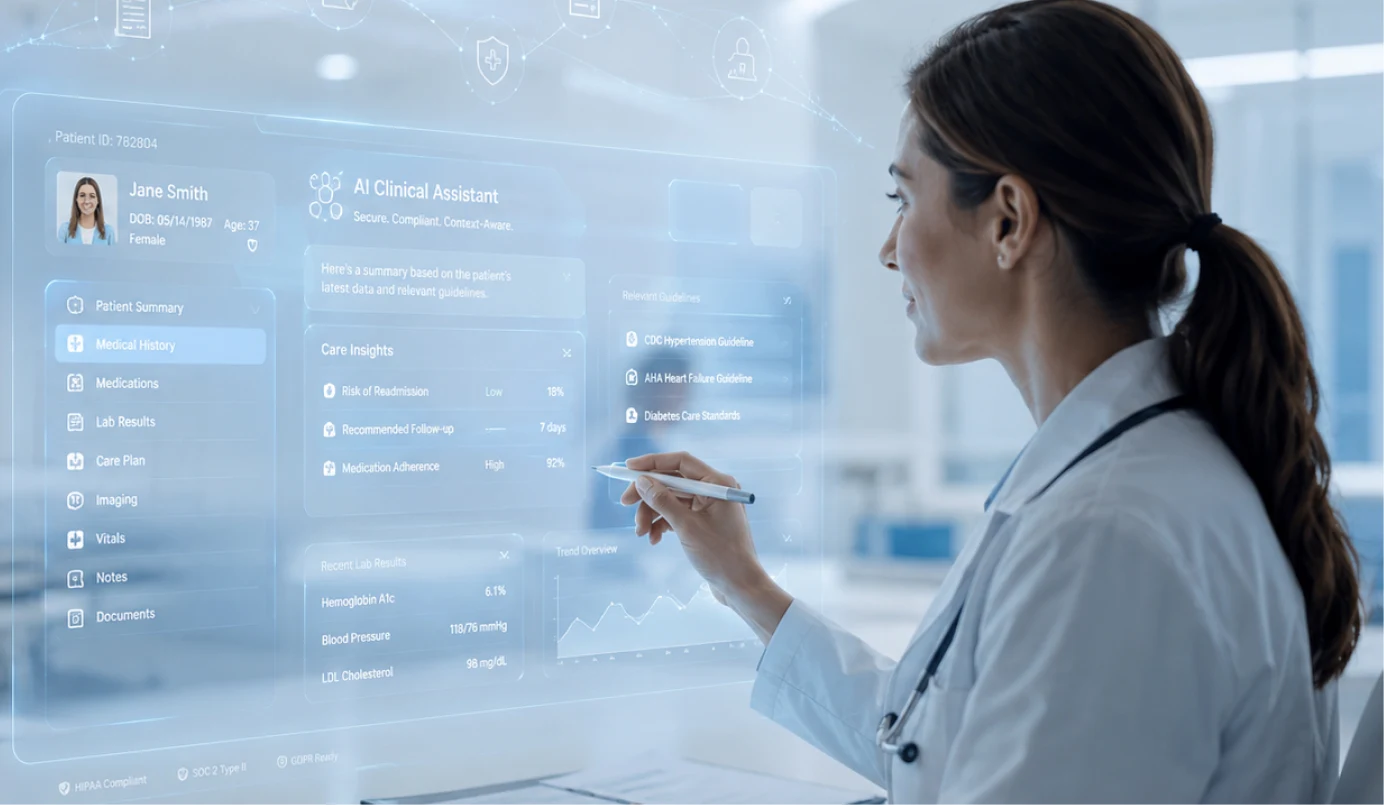
- Patient intake and scheduling flow prototypes tested early
- HIPAA-compliant data handling validated before development starts
- Clinical workflow integrations mocked up and tested
- Telehealth interface prototypes tested with real patients
- Remote monitoring dashboard prototypes validated before clinical rollout
Financial prototypes tested for compliance

- Onboarding and KYC flow prototypes tested quickly
- Real-time fraud-alert interfaces mocked up for review
- Compliance reporting flows prototyped before development begins
- Investment dashboard prototypes tested with real users
- Fraud-detection workflows validated before backend integration starts
Connected vehicle concepts prototyped early
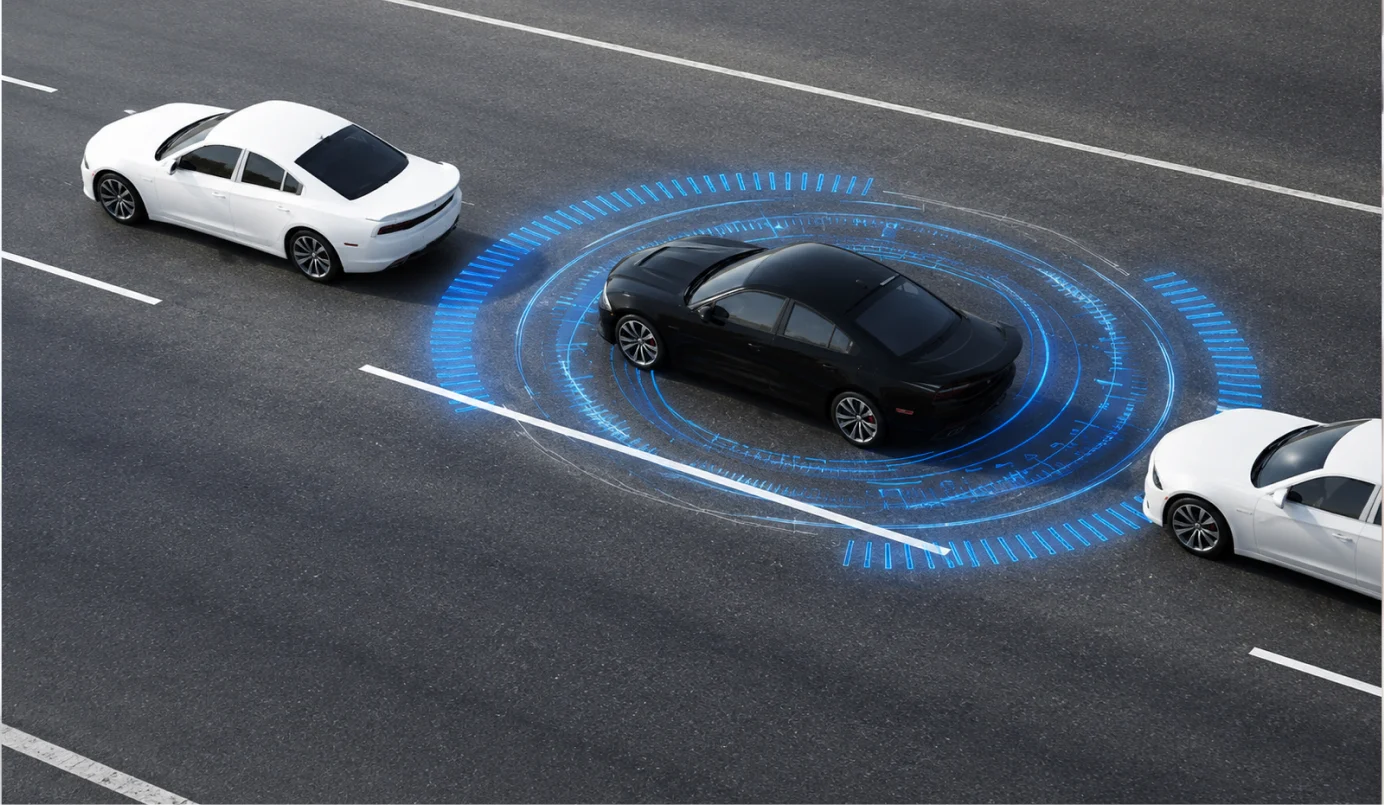
- Dashboard and in-vehicle interface concepts prototyped early
- Fleet management interface prototypes tested with drivers
- Dealer booking flow prototypes tested before build
- Diagnostics dashboard mockups validated before hardware integration
- Parts inventory interface prototypes tested with staff
Shop-floor prototypes tested with operators
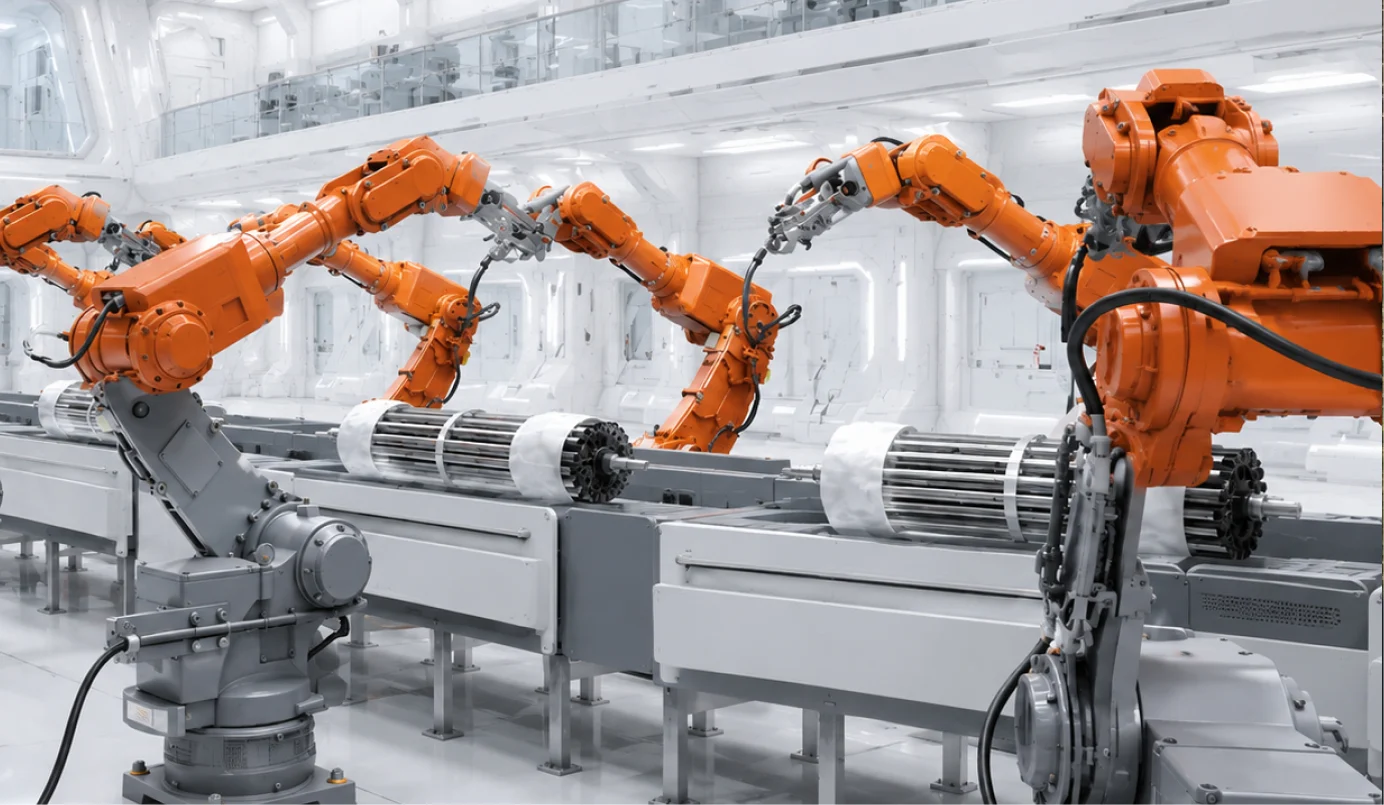
- Production monitoring dashboard prototypes tested with line staff
- Inventory tracking interface mockups tested with warehouse teams
- Dispatch scheduling flow prototypes tested before rollout
- Predictive maintenance interface prototypes tested with technicians
- Plant dashboard sync mockups validated before system integration
Field-tested prototypes for real conditions

- Field data collection tool prototypes tested outdoors
- Crop and yield dashboards mocked up for farmers
- Offline-first interface prototypes tested for low-connectivity areas
- Resource planning tool prototypes tested with field teams
- Sensor and monitoring dashboard prototypes tested in the field
Commerce prototypes tested with shoppers
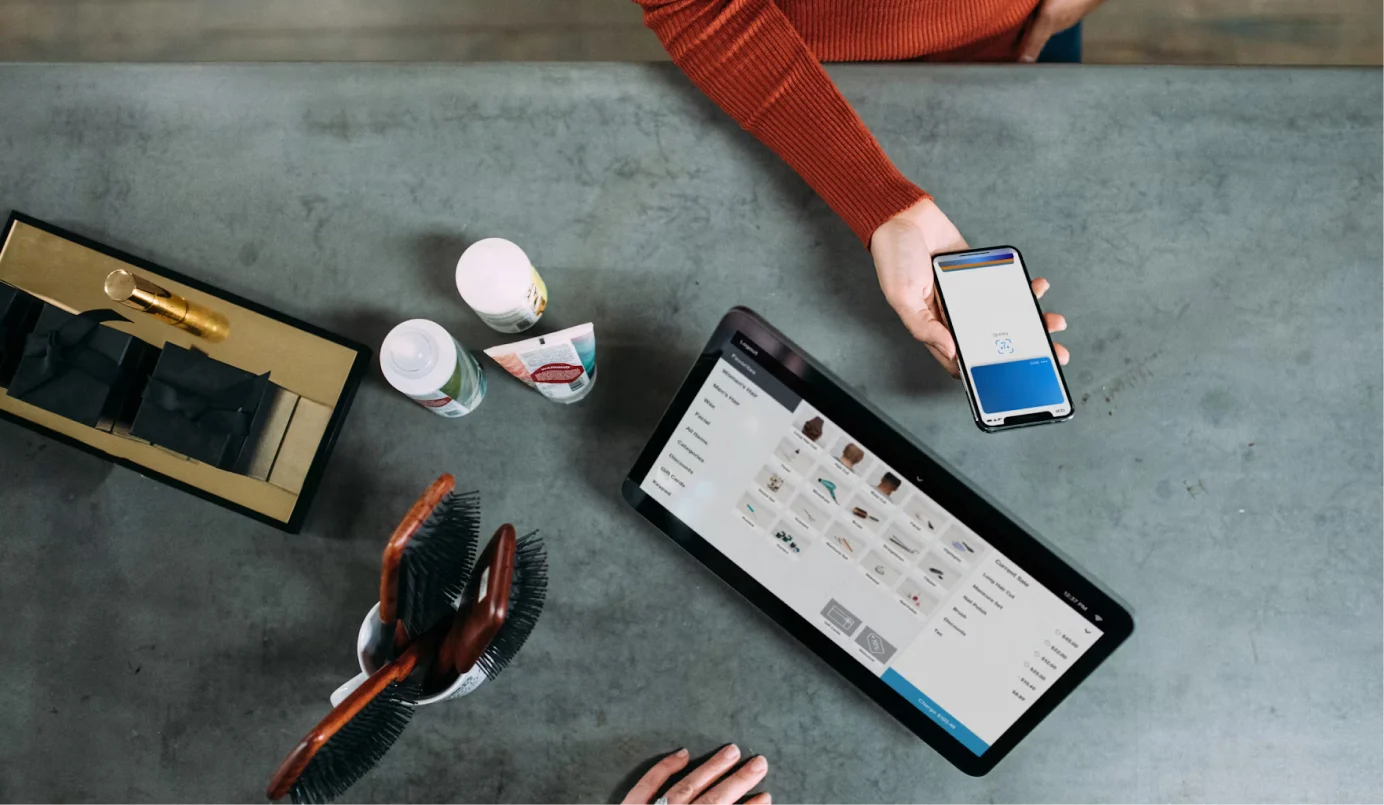
- Checkout and payment flow prototypes tested before rebuild
- Store associate app prototypes tested on the floor
- Loyalty and rewards flow prototypes tested with shoppers
- Mobile onboarding flow prototypes tested for drop-off
- Inventory dashboard prototypes validated with warehouse staff

The Prototyping Problem
Most products get built before anyone tests the idea
Skipping prototyping doesn't save time. It just moves the cost of being wrong from a design sprint to a production rebuild.

Design Sign-Off Without User Testing
A design gets approved on how convincing it looks in a review meeting, not on how real users actually respond to it. The gap surfaces after launch, when it's a rebuild instead of a redesign.

Feasibility Assumed, Not Checked
Prototypes get approved without an engineer confirming the architecture can support them, so development either compromises the design or starts over once real constraints surface.

One Round, No Iteration
A single prototype gets tested once and shipped to development as final, instead of iterating on what the first round of user feedback actually showed.
Why Us
What makes Apptware a prototype development company worth testing with
What separates a real prototype development company from a design vendor? It shows up before development ever starts, in whether a partner validates the idea or just renders the screens.
01
Fixed-Scope Discovery Before Any Screen Gets Built
We scope what's being tested and why before opening a design tool, so the prototype answers a specific question instead of just looking finished.
02
A Clickable Prototype, Not a Slide Deck
What you review is something you can click through and hand to a real user, not a set of static mockups describing what the product might eventually do.
03
Real Users, Not Internal Reviewers
Testing runs against people who match your actual target audience, so feedback reflects how the market will respond, not just internal opinion.
04
Handoff That a Dev Team Can Actually Use
Every prototype ships with the design specs and component library a development team needs, so the next phase doesn't start by re-deriving decisions already made.
Apptware Solutions' work helped the client improve their time-to-market. The team retained all core resources throughout the contract. Apptware Solutions assigned a project manager to oversee the tasks and timelines. The team was proactive in communicating and responding to the client.




Get Started
Ready to test your
product idea before you build it?
Tell us what you're trying to validate, and we'll scope the right fidelity of prototype, run it past real users, and hand you a validated direction with a clear go or no-go before any development budget gets committed.
 No-cost prototype scoping call
 100% IP ownership
 No commitment required
 US & India presence
FAQ'S
Answers to common questions about prototype development
A prototype is a testable model of an idea - wireframes, a clickable design, or full app product prototype development services - built to validate direction before writing production code. An MVP is a working, shippable product with real functionality - a separate phase Apptware scopes and builds only once the prototype has validated the direction.
Let's test your product idea before you build it
Need a working model of your product idea before committing a development budget? Spend 30 minutes with our product designers. We'll scope the right prototype fidelity, map a testing plan, and return a timeline and cost, all within 5 business days and no commitment.
 USA
USA INDIA
INDIA

Got a similar challenge?
Have a product idea you're trying to validate?
Let's talk about what Apptware can build for you.